7 Best Glycine Powder Suppliers for Global Buyers
For global buyers, choosing a Glycine Powder supplier is not just a price comparison. A dependable supply relationship also requires clear specifications, documented quality controls, and communication that works across time zones. Small details matter: assay methods, particle size, packaging formats, batch traceability, and timely answers to technical questions. These can affect production planning as much as the quoted price. Not glamorous, but important.
This guide introduces seven suppliers for buyers comparing sourcing options across international markets. It focuses on practical screening points, including product documentation, manufacturing or distribution capabilities, export experience, and responsiveness. A supplier’s website is only a starting point. Request current specifications, a representative batch’s certificate of analysis, and details about packaging and shipment terms. Then compare the information with your intended application and internal quality requirements. If answers are vague, ask again. That may not be a deal breaker, but it is worth noting.
No single ranking fits every buyer. Minimum order quantities, lead times, delivery coverage, and customer support can vary. Supplier information and product availability can also change, so confirm current details directly before making a purchasing decision. The profiles below can help narrow a shortlist, but they cannot replace independent verification or a thorough supplier assessment. A careful comparison takes time. It may still miss something.
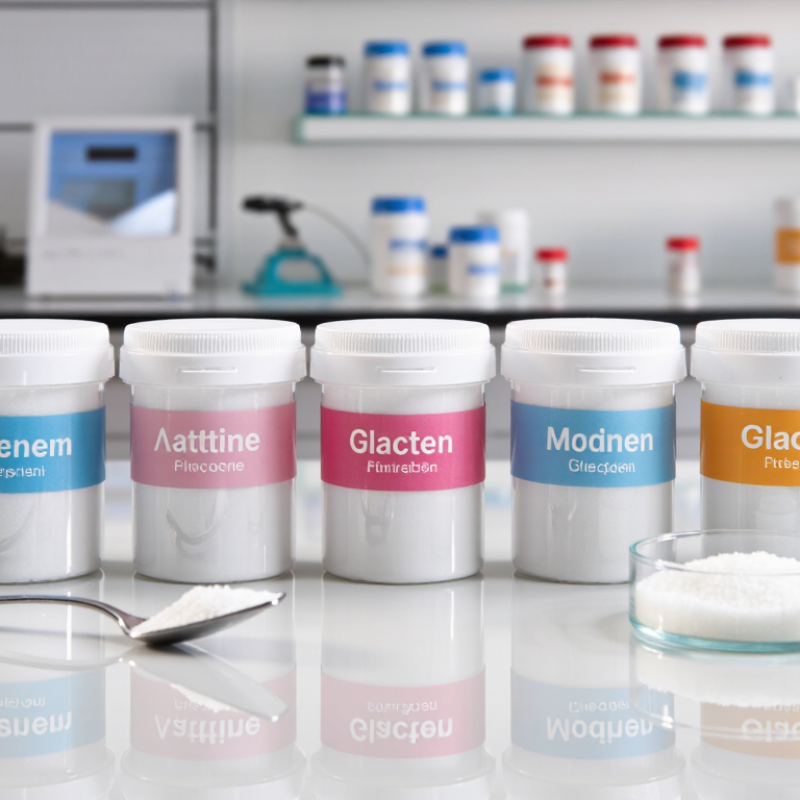
Understanding Glycine Powder and Its Global Applications
Glycine is the simplest protein-building amino acid, and its powder form is usually a white, crystalline material. It dissolves readily in water and has a mildly sweet taste. These properties make it useful in several types of formulations. In food products, it may serve as a flavor modifier, subject to local requirements. Nutrition products use glycine as an amino acid ingredient. Pharmaceutical and personal-care applications may also use it, but suitability depends on the specific formulation and grade. Research laboratories use glycine in buffers and other routine biochemical work. Details matter.
For global buyers, “glycine powder” does not describe every important quality difference. Particle size can affect blending, while moisture may influence storage and handling. A buyer should review a current certificate of analysis, stated purity, relevant microbiological results, packaging details, and batch traceability. The required limits depend on the intended use and destination market. A specification sheet can look complete, yet still leave questions about testing methods or consistency between batches. That deserves a closer look. I would not assume that a food-grade material fits a technical or pharmaceutical application without checking its documentation and suitability. Even clear powder can vary in how it flows or disperses, so a small-scale trial may reveal practical issues before larger orders.
Glycine in Collagen
Glycine accounts for approximately one-third of the amino acid residues in collagen. This distinctive composition helps explain glycine’s relevance to collagen-related foods, supplements, and biomedical materials. Values are approximate and can vary by collagen source.
Key Criteria for Evaluating Glycine Powder Suppliers
A reliable glycine powder supplier should provide a batch-specific certificate of analysis, not just a generic specification sheet. Check assay, moisture, residue on ignition, and heavy-metal limits against the grade and intended use. Ask which validated test methods were used, and request representative chromatograms or independent laboratory results when risk warrants. The lot number on every document should match the sample and shipment. Small detail. Big signal.
Quality paperwork needs to connect to real manufacturing controls. Request a current quality-system certificate, change-control procedures, and traceability from incoming raw materials to finished lots. For food or pharmaceutical applications, verify that the supplier’s controls fit the relevant compendial and regulatory requirements; a certificate alone is not proof of compliance. Logistics deserve equal scrutiny. The World Bank’s 2023 Logistics Performance Index assesses 139 economies across six dimensions, including customs, tracking, and timeliness. Use those dimensions to ask practical questions: Can the supplier preserve dry packaging, share shipment milestones, and explain delays? A polished PDF is reassuring, but it cannot replace a site audit. I would still verify the details.
Profiles of Seven Glycine Powder Suppliers for Global Buyers
These seven profiles describe supplier types, not verified company rankings. A large-scale manufacturer may offer steady output and batch records; ask how it manages lot-to-lot consistency. A regional distributor can provide shorter shipping routes and smaller orders, but confirm whether it holds stock locally. A specialty ingredient supplier may support custom packaging or documentation. Check its actual service scope.
A supplier focused on food-grade materials should provide a current specification sheet, contaminant limits, and certificates tied to the specific lot. A pharmaceutical-oriented supplier may have tighter documentation controls, though the grade must match your intended application. An export-focused supplier can help coordinate freight and customs paperwork; request examples of its standard export documents. A small-volume supplier may suit trials, but its long-term capacity can be less clear. Seven profiles, seven different trade-offs. None is automatically the right choice.
Tips: Request a recent certificate of analysis and compare it with your own limits. Check packaging seals, moisture protection, and stated shelf life. Ask who handles quality complaints, and how quickly they respond. Keep one point in mind: a polished document is useful, but it does not replace a reviewed sample. I’d verify the details before committing.
Comparing Supplier Quality, Capacity, and Export Reach
A useful supplier comparison starts with evidence, not headline capacity. Grand View Research estimated the global glycine market at about USD 1.1 billion in 2023, with projected growth of roughly 4.7% annually through 2030. That demand outlook makes repeatable quality important: buyers should check batch-specific certificates of analysis, impurity limits, traceability, and change-control records. Paper claims are easy. Ask for recent test results and a clear explanation of the methods used.
Capacity needs a practical test. Request monthly output, typical lead time, minimum order size, and contingency plans for equipment downtime. Compare stated capacity with available production slots; the two are not always the same. A small sample can also reveal handling issues, such as inconsistent granule flow or moisture-sensitive packaging. Small details matter. No scorecard is perfect, especially when audit access is limited.
Export reach is more than a list of destination countries. Review shipment history, packaging suitable for long transit, document accuracy, and the supplier’s ability to answer customs queries promptly. UN Comtrade trade categories may group amino acids rather than report glycine separately, so broad trade figures cannot verify an individual supplier’s reach. Treat them as context, then request shipment references and redacted export documents. One blind spot remains: past shipments do not guarantee future delivery performance.