7 Best Pollogen Machines for Clinics in 2026?
Choosing the right pollogen machine for a clinic in 2026 requires more than comparing prices or polished product photos. Pollogen systems may support professional skin treatments involving radiofrequency, plasma, or energy-based technologies, depending on the model and configuration. Their value depends on treatment goals, operator training, patient assessment, and consistent maintenance. A device that performs well in one clinic may not suit another. Room size, appointment volume, staff experience, and local regulatory requirements all matter.
This guide reviews seven leading Pollogen machines for clinics, using practical criteria rather than marketing language. We consider treatment versatility, usability, safety features, clinical support, consumable costs, and manufacturer documentation. We also examine how each device may fit real treatment rooms, from a compact consultation space to a busy medical aesthetics practice. Small details count. Clear screens help during procedures. Reliable handpieces reduce interruptions. Accessible service support can protect a clinic’s schedule.
Still, no ranking is perfectly universal. That deserves attention. Evidence quality may differ between models, and published claims should not replace professional judgment or independent clinical evaluation. Clinics should verify current specifications, training requirements, warranty terms, and regional approvals before purchasing. Patient suitability must be assessed by qualified professionals, with informed consent and realistic expectations. The best choice is not always the newest machine. It is the system that staff can use confidently, maintain properly, and integrate responsibly into everyday care.
What Are Pollogen Machines and How Do They Work?
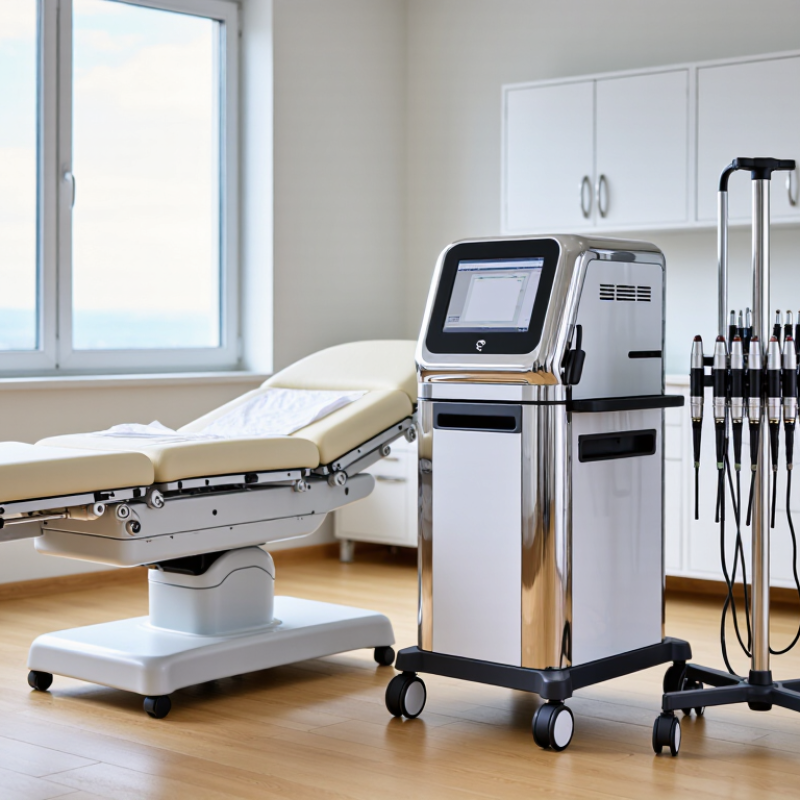
Pollogen machines are professional aesthetic devices designed to improve skin texture, firmness, and overall tone. Many models use controlled radiofrequency energy, while others combine it with vacuum, ultrasound, or exfoliation technologies. The device sends energy into selected skin layers, creating gentle heat or mechanical stimulation. This process may support collagen remodeling over time. It does not replace surgery.
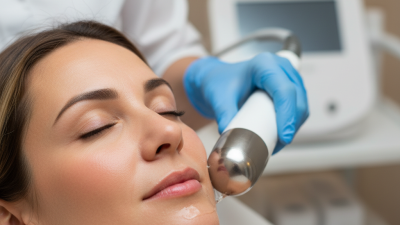
During a clinic treatment, a trained provider cleans the skin and checks sensitivity, medical history, and treatment goals. They then select an applicator and adjust energy levels for the face, neck, or body. You may feel warmth, pressure, or mild tingling. The provider moves the handpiece slowly across the skin, avoiding excessive heat in one area. Cooling gel or a conductive medium may improve comfort and energy delivery.
Results vary. Some patients notice a smoother appearance after one session, but visible firmness usually develops gradually. I would not promise identical outcomes, because age, skin condition, lifestyle, and settings all matter. A clinic should document the device model, energy level, treatment area, and skin response. That record helps guide later sessions. Contraindications also deserve careful review, including certain implanted devices, active skin conditions, pregnancy-related concerns, or recent procedures. One limitation is easy to overlook: stronger settings are not automatically better. A cautious, personalized protocol is often more reliable.
How to Evaluate Pollogen Machines for Clinical Use in 2026
How to Evaluate Energy-Based Aesthetic Machines for Clinical Use in 2026
Clinical evaluation should begin with the treatment, not the sales brochure. Define the intended patients, skin concerns, treatment areas, and staff experience. Then compare energy type, adjustable settings, handpiece ergonomics, treatment time, and documented safety procedures. The American Society of Plastic Surgeons reported 25.4 million minimally invasive cosmetic procedures in 2023, up 7% from 2022. That growth signals demand, but it does not prove that any one device suits your clinic. Ask suppliers for clinical studies, adverse-event information, maintenance intervals, and realistic consumable costs. Check whether published results match your patients and protocols. They may not.
Tips: Request a supervised demonstration using a written protocol. Note setup time, cooling needs, patient comfort, and how easily staff can clean contact surfaces. Confirm training and service support before purchase. A polished demo can hide awkward daily workflows.
For a fair comparison, score each candidate against the same checklist and record who performed each test. Review operator training requirements and the manufacturer’s instructions for use. Ask clinicians to assess access around curved areas, cable reach, and how the device handles back-to-back appointments. Track outcomes and patient feedback during a limited evaluation period, following clinic policy and applicable guidance. Small details matter. I would also revisit the scoring after several weeks; initial impressions can be wrong, and even a useful checklist may miss something.
How to Evaluate Aesthetic Energy Devices for Clinical Use in 2026
Compare the device’s intended use, clinical evidence, safety controls, training requirements, and service support. Wavelength is one technical factor—not a measure of overall clinical quality.
Representative emission wavelengths: actual specifications vary by device and may include multiple wavelengths. The horizontal axis is logarithmic to make the range easier to compare. Verify technical specifications and indications in the device’s official documentation.
Seven Leading Pollogen Machines and Their Key Features
Seven Leading Energy-Based Facial Machines and Their Key Features
Clinic buyers often compare seven core systems:
Bipolar radiofrequency
provides controlled warming for firmer-looking skin.
Fractional radiofrequency
adds adjustable needle depth and targeted remodeling.
Focused ultrasound
reaches deeper tissue layers, but operator training remains essential.
Electroporation
supports serum delivery without needles.
Oxygen infusion
creates a cooling, comfortable treatment experience.
LED phototherapy
systems offer gentle sessions with minimal downtime.
Vacuum massage
improves temporary circulation and product absorption.
The ISAPS 2023 Global Survey recorded more than 19 million aesthetic procedures worldwide, showing continued demand for non-surgical care. Buyers should still examine clinical evidence, treatment protocols, consumable costs, and service support. A 2024 industry analysis from Grand View Research projected continued growth in the medical aesthetics market, driven by shorter recovery times and outpatient convenience. Numbers are useful, but they do not replace practical testing.
In real treatment rooms, handpieces should feel balanced and controls should be easy to read. Safety sensors, adjustable energy levels, and documented contraindications matter more than impressive screens. No platform is perfect. Published studies may involve small samples, limited follow-up, or manufacturer-supported research. Clinics should compare independent evidence, staff training requirements, maintenance records, and patient comfort before purchasing. A machine that fits one practice may perform poorly in another.
How Pollogen Machines Compare by Treatment, Performance, and Cost
The seven strongest clinic machines in this category differ by treatment focus, operating speed, and total ownership cost. Some use radiofrequency for controlled dermal heating and firmer-looking skin. Others combine exfoliation, oxygen infusion, or fractional energy for texture concerns. A clinic should match the handpiece to patient demand, not chase the largest feature list.
Treatment depth changes performance. Surface-focused systems often provide visible brightness with little downtime and shorter appointments. Energy-based systems can support collagen remodeling, but they require careful settings, trained operators, and realistic patient expectations. In practice, consistent temperature control matters more than impressive marketing claims. Ask for treatment logs, maintenance records, and independent safety documentation. Small details matter.
Costs include more than the purchase price. Consumable tips, staff training, service contracts, room time, and calibration can change the yearly budget. A lower-cost device may become expensive when treatment times are slow or replacement parts are difficult to source. Higher-priced systems may earn more per appointment, but only if local demand supports regular bookings. That assumption can fail. Compare the expected cost per treatment, downtime, and operator workload across all seven options before choosing.
How Clinics Can Select the Right Pollogen Machine for Their Needs
Choosing among seven clinic-ready skin treatment machines requires more than comparing price tags. The right system should match patient goals, operator skill, treatment time, and local clinical requirements. The ISAPS 2023 Global Survey recorded more than 19 million nonsurgical aesthetic procedures worldwide, showing strong demand for efficient, repeatable treatments. However, demand alone should not drive purchasing decisions.
Start with energy type and treatment depth. Radiofrequency systems may suit laxity concerns, while microneedling platforms offer controlled epidermal and dermal stimulation. Ask for measured output ranges, adjustable settings, cooling performance, and documented safety testing. A crowded treatment room also needs easy-to-clean handpieces and short setup times. Small details matter.
Review clinical evidence, not dramatic before-and-after images. Grand View Research estimated continued growth in the global aesthetic medicine market through 2030, but market growth does not prove that every device performs equally. Request peer-reviewed studies, maintenance records, training requirements, and realistic consumable costs. Check whether the supplier provides calibration support and adverse-event guidance. A cheaper machine may become expensive after repeated service delays. That part is easy to overlook.
Clinics should also test workflow with real staff before signing. Let an experienced practitioner handle the controls, cables, cartridge changes, and emergency stop. Patient comfort matters too. If the interface feels confusing, treatments may become inconsistent. No selection process is perfect. A careful trial may reveal weaknesses that brochures hide.