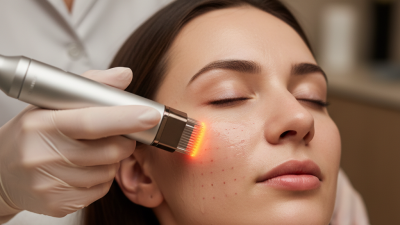
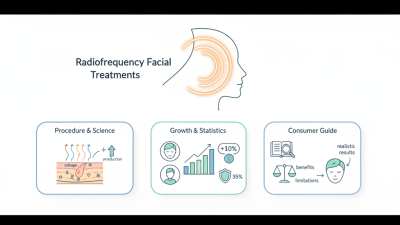
What is Radio Frequency Treatment and How Does It Work?
Radio frequency treatment has gained significant attention in the beauty and wellness industry. According to a report by MarketResearch.com, this market is expected to reach $1.4 billion by 2026. The rise in demand highlights its effectiveness in various applications. This non-invasive method uses electromagnetic waves to stimulate collagen production, leading to tighter skin and reduced wrinkles.
In recent years, clinical studies have shown a 25% improvement in skin elasticity among patients after multiple sessions. Yet, the treatment does not guarantee results for everyone. Some patients report minimal changes, raising questions about its uniform effectiveness. Beyond aesthetic benefits, radio frequency treatment is also used for pain management, demonstrating its versatility.
While many clinics promote its safety, users should remain cautious. Side effects can occur, and the experience varies widely among individuals. Thus, understanding the intricacies of radio frequency treatment is crucial for anyone considering this option. Exploring its capabilities, limitations, and potential risks could foster more informed decisions in a growing market.
What is Radio Frequency Treatment? A Comprehensive Overview
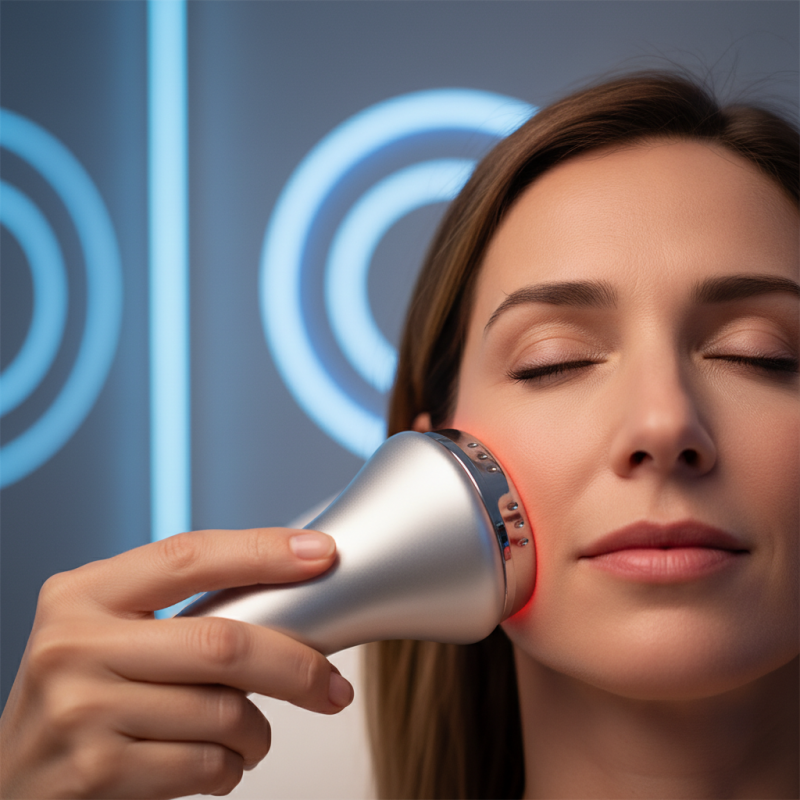
Radio Frequency (RF) treatment is a non-invasive procedure aimed at tightening skin, reducing wrinkles, and enhancing overall skin appearance. This method utilizes energy waves to heat the dermis. As a result, collagen production is stimulated, promoting skin elasticity. According to the American Society for Aesthetic Plastic Surgery, RF treatments have gained popularity, with a reported 42% increase in procedures over the past five years.
The results of RF treatment can be intriguing. Many patients experience tighter skin after just one session. However, it is important to note that results can vary. Some may need multiple sessions for optimal effects. The Journal of Cosmetic Dermatology highlights that over 70% of patients report satisfaction with their results. Despite the effectiveness, this treatment can sometimes lead to temporary redness or swelling, which may not be suited for everyone. Educating oneself on realistic outcomes is crucial.
Furthermore, while RF treatment is generally safe, risks do exist. Cases of burns, although rare, are documented. This emphasizes the need for professional administration and careful patient selection. While the advancements in RF technology are impressive, ongoing improvements and patient feedback are essential for its evolution. Understanding both the benefits and limitations of RF treatment is an integral part of the cosmetic landscape.
The Science Behind Radio Frequency: How It Affects Skin Tissue
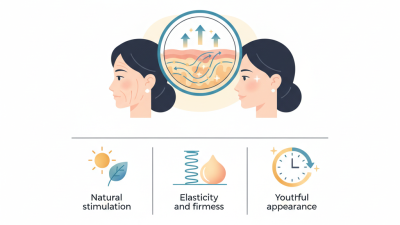
Radio frequency (RF) treatment uses energy to rejuvenate the skin. It targets deeper layers, heating tissue to stimulate collagen production. Collagen is vital for skin elasticity and firmness, making it appear youthful. The heat from RF treatment causes contraction of fibroblasts, the cells responsible for producing collagen.
As the skin heats up, it creates a micro-injury. This triggers the body's natural healing process. Over time, the skin becomes tighter and smoother. However, the results vary for each person. Some might not see dramatic changes right away. Others may experience slight discomfort during the procedure, which is normal.
The science behind RF is fascinating yet complex. While many report positive outcomes, not everyone achieves the same results. Factors such as skin type, age, and overall health play a significant role. Sometimes, patients have to undergo multiple sessions to notice improvements. It's essential to be patient and realistic about the outcomes. Understanding these nuances may lead to more informed choices regarding skin treatments.
Clinical Applications of Radio Frequency in Dermatology and Aesthetics
Radio Frequency (RF) treatment is gaining popularity in dermatology and aesthetics. This method uses electromagnetic radiation to heat tissue and stimulate collagen production. According to a report by the American Society for Aesthetic Plastic Surgery, RF treatments have seen a 25% increase in procedures over the last three years. People are looking for non-invasive options, and RF fits the bill.
Clinically, RF is effective for skin tightening and wrinkle reduction. Many practitioners have reported visible improvements in skin texture after treatments. A study published in the Journal of Cosmetic Dermatology noted a 70% satisfaction rate among patients after RF sessions. However, not everyone experiences significant results. Some individuals may require multiple sessions to see any changes.
Moreover, the success of RF treatments varies with skin types and conditions. Darker skin tones may experience different reactions compared to lighter tones. As with all aesthetic procedures, consult a qualified professional. Each skin type has unique needs. Awareness of these factors may improve outcomes and patient satisfaction.
Efficacy of Radio Frequency Treatment: Reviewing Key Studies and Data
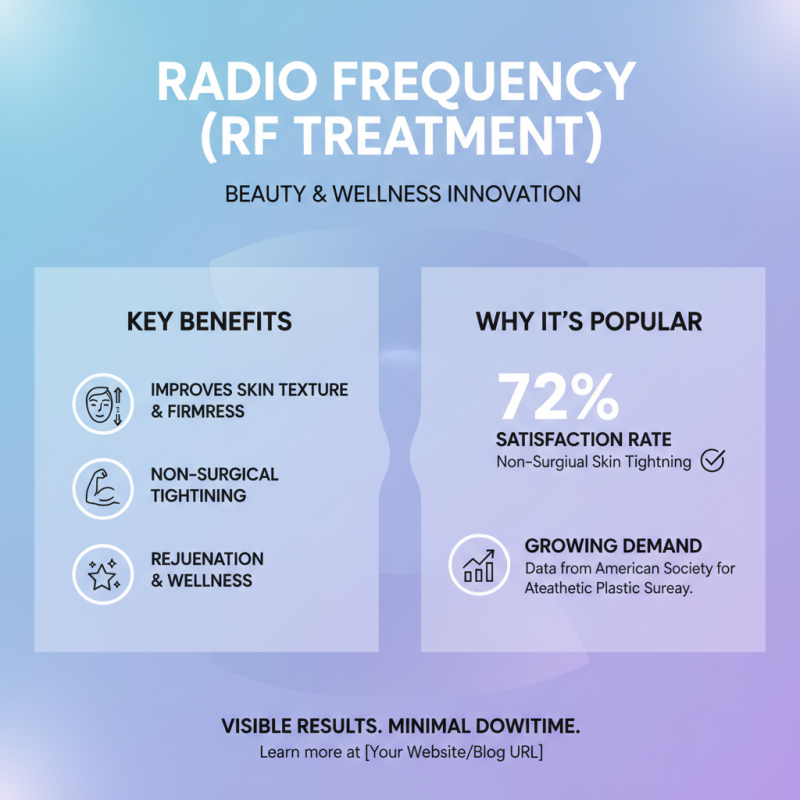
Radio Frequency (RF) treatment has gained attention in both beauty and wellness sectors. Recent studies indicate that RF can significantly improve skin texture and firmness. According to a report by the American Society for Aesthetic Plastic Surgery, RF treatments have shown a 72% satisfaction rate among patients seeking non-surgical skin tightening solutions. This data underscores RF's growing popularity as a viable option.
One notable study published in the Journal of Clinical and Aesthetic Dermatology explored the effects of RF on facial rejuvenation. Participants experienced an average wrinkle reduction of 32% after a series of treatments. However, this study also noted variability in outcomes, suggesting that individual results may differ based on skin type and treatment frequency. While many patients report positive changes, some may not see significant improvements. This inconsistency invites further reflection on patient selection and treatment protocols.
Research also highlights that RF treatment benefits can diminish over time. The same aesthetic society report found that 30% of participants required follow-up sessions within six months to maintain results. This raises questions about the long-term efficacy and the potential need for ongoing commitment. Overall, while data supports the effectiveness of RF treatment, personal experiences may vary, requiring careful consideration before proceeding.
Safety and Side Effects: What Patients Should Know About RF Treatments
Radio frequency (RF) treatment is often seen as a modern solution for various skin issues. While many patients are intrigued, it's important to understand the safety and potential side effects. RF treatment typically delivers energy waves that heat the skin's deeper layers. This can stimulate collagen production, which improves skin texture and firmness.
However, not everyone is a perfect candidate for RF treatments. Some may experience redness or swelling after the procedure. These effects usually resolve quickly but can vary from person to person. Individuals with certain skin conditions or health concerns should consult a professional before proceeding. The treatment may also cause mild discomfort during the session. Communicating openly with the practitioner can help manage these feelings.
Patients should also be aware that results may not be immediate. It often takes several sessions to see significant improvements. This can lead to frustration or disappointment for some. Overall, understanding what to expect is crucial before undergoing RF treatments. Always consider your unique situation and discuss any concerns openly. This approach will help ensure a more positive experience.