What is Radio Frequency Treatment Benefits and Uses?
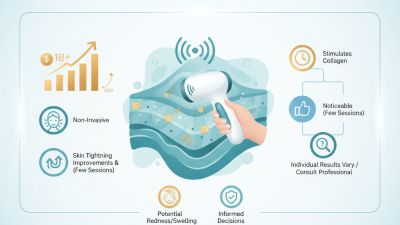
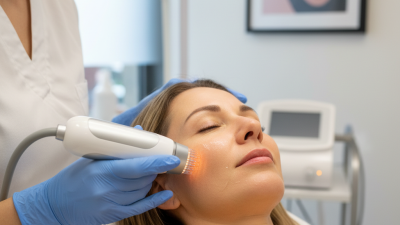
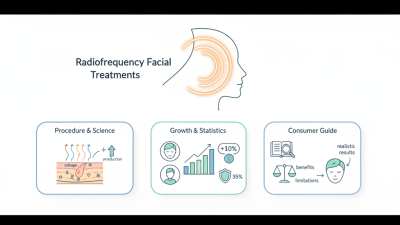
Radio frequency treatment has emerged as a cutting-edge solution in the aesthetics and wellness industry. Dr. Emily Harper, a leading expert in dermatology, states, "Radio frequency treatment offers a remarkable way to rejuvenate skin and combat signs of aging." This technology harnesses electromagnetic radiation to stimulate collagen production, promoting tighter, more youthful skin. With its non-invasive nature, many are drawn to its potential benefits.
Patients often report visible improvements after just a few sessions. Common uses include skin tightening, wrinkle reduction, and even body contouring. However, it is crucial to recognize individual experiences may vary. Some practitioners suggest that the results depend on skin type and treatment consistency.
Despite its benefits, radio frequency treatment is not without concerns. Users must consider possible side effects such as temporary redness or swelling. Engaging with certified professionals is essential to ensure safety and effectiveness. As the popularity of radio frequency treatment grows, ongoing research is vital to understand its long-term implications fully. The balance between innovation and caution remains a pivotal discussion in the field.
What is Radio Frequency Treatment and How Does It Work?
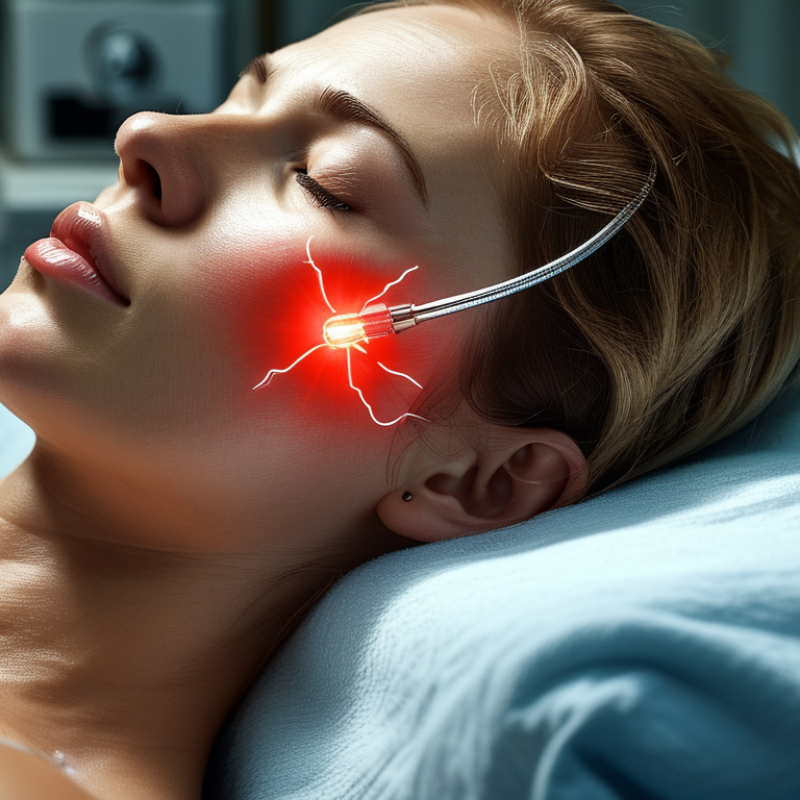
Radio frequency (RF) treatment uses electromagnetic waves to heat tissues. This process stimulates collagen production, which can improve skin elasticity. RF treatment is popular in aesthetic medicine and dermatology. It is non-invasive and often requires no downtime, making it appealing for many patients.
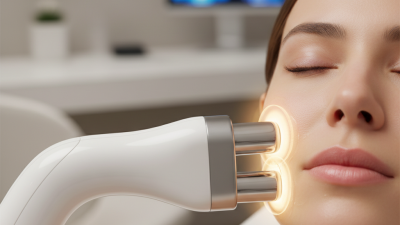
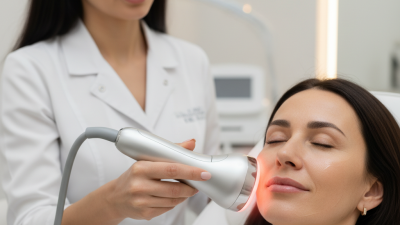
The treatment involves applying an RF device to the skin. The energy penetrates the dermis, leading to skin tightening and rejuvenation. Patients often notice results gradually, with the most significant changes appearing over weeks. Regular sessions may enhance and prolong the effects, leading to more satisfying outcomes.
Tips for a successful RF treatment include staying hydrated before and after sessions. This can help your skin respond better to the treatment. It’s also beneficial to consult with a qualified practitioner to understand if this treatment fits your needs. Be honest about your medical history, as some conditions may affect outcomes. Remember, results can vary, and what works for one person may not work for another. Patience is key; allow your skin time to adjust and improve.
Key Benefits of Radio Frequency Treatment in Aesthetic Procedures
Radio Frequency (RF) treatment has gained significant traction in aesthetic procedures. This non-invasive method uses energy waves to heat the skin's deeper layers. The warmth stimulates collagen production, leading to skin tightening and improved texture. Most patients notice a more youthful appearance after just a few sessions.
One of the key benefits of RF treatment is its versatility. It can be used on various body areas, including the face, abdomen, and thighs. This makes it appealing for those seeking comprehensive skin rejuvenation. Additionally, the treatment requires little downtime, allowing patients to return to their daily activities quickly. Some may experience mild redness or swelling, but these effects are usually temporary.
While RF treatment offers numerous advantages, it is not a one-size-fits-all solution. Individual results can vary based on factors like skin type and desired outcomes. It’s essential for patients to have realistic expectations. Consulting a qualified professional is crucial. They can tailor the treatment plan to meet specific needs and ensure safety and efficacy. Being informed about both the benefits and potential limitations can enhance the overall experience of the treatment.
What is Radio Frequency Treatment Benefits and Uses? - Key Benefits of Radio Frequency Treatment in Aesthetic Procedures
| Benefit |
Description |
Common Uses |
| Skin Tightening |
Stimulates collagen production, leading to firmer skin. |
Facial rejuvenation, body contouring. |
| Wrinkle Reduction |
Diminishes the appearance of fine lines and wrinkles. |
Anti-aging treatments, neck and décolletage care. |
| Cellulite Reduction |
Helps smooth out the skin by targeting fat cells. |
Body contouring, thigh treatments. |
| Non-Invasive |
Requires no surgical procedures, minimizing recovery time. |
General skin treatments, post-surgical healing support. |
| Improved Circulation |
Enhances blood flow, resulting in healthier skin. |
All skin types, pre and post-procedural care. |
Medical Applications of Radio Frequency: From Pain Management to Surgery
Radio Frequency (RF) treatment has gained attention for its diverse medical applications. One prominent use is in pain management. RF therapy targets nerve pathways to disrupt pain signals. This technique is less invasive compared to traditional surgery. Patients often report significant relief from chronic pain conditions. However, outcomes can vary. Some experience prolonged relief, while others may need repeated sessions.
In surgical applications, RF technology is used for tissue coagulation. It helps minimize bleeding during procedures. This method has been utilized in various fields, such as oncology and gynecology. Doctors can perform precise interventions, leading to shorter recovery times. Nevertheless, knowledge of RF limits is crucial. Improper application may lead to complications. Continuous education and training are vital for medical professionals involved in RF procedures.
Despite its benefits, RF treatment is not a one-size-fits-all solution. Patient selection and proper technique are essential for optimal results. The understanding of anatomy and patient conditions must guide treatment plans. Moreover, patient expectations should be managed realistically. Open communication is key to navigating the complexities of RF therapy and ensuring patient safety.
Understanding the Science: How Radio Frequency Stimulates Tissue Repair
Radio frequency treatment utilizes electromagnetic waves to stimulate tissue. This process encourages collagen production and promotes skin tightening. The science behind it lies in how these waves penetrate the skin layers. They generate heat, which helps to kickstart cellular activity.
Tissue repair relies on the body’s natural healing mechanisms. The heat triggers inflammation, an essential part of this process. Blood flow increases, bringing oxygen and nutrients necessary for repair. This dynamic response aids in reducing fine lines and improves skin texture. Patients often notice changes after just a few sessions.
However, results can vary based on individual skin types. Some may require more treatments for visible outcomes. Not everyone experiences the same level of improvement. Understanding these nuances is crucial for effective results. Engage with professionals who comprehend these intricacies for better insights.
Clinical Evidence: Studies Supporting the Efficacy of Radio Frequency Treatment
Radio frequency (RF) treatment has gained attention in both aesthetics and medical fields. Studies show its effectiveness in various applications. These include skin tightening, cellulite reduction, and pain management. The underlying principle involves using energy to stimulate collagen production and improve blood circulation. Evidence suggests noticeable improvements after several sessions.
Clinical studies support the benefits of RF treatment. A study published in a renowned dermatology journal found significant skin elasticity improvement among participants. Others reported decreased cellulite visibility after consistent treatments. Pain relief has also been documented, especially for conditions like arthritis. However, results can vary based on individual response and treatment protocols.
Despite its promising benefits, RF treatment might not be for everyone. Some individuals may experience mild side effects, such as redness or swelling. It is essential to consult a qualified practitioner to assess your suitability for the procedure. While many reports highlight positive outcomes, more research is necessary to establish long-term results and safety across diverse populations. Documentation of varied experiences can provide deeper insights into the effectiveness of this treatment.