What is RF Skin Tightening and How Does It Work?
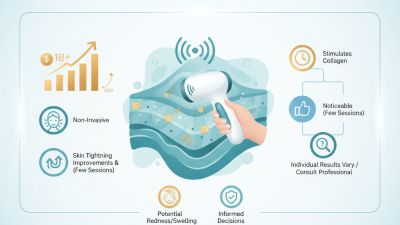
RF skin tightening is becoming increasingly popular in the aesthetic treatment industry. According to a recent report by the American Society for Aesthetic Plastic Surgery, non-invasive skin tightening procedures have seen a 50% rise over the last five years. This method employs radiofrequency energy to stimulate collagen production, thus enhancing skin elasticity and reducing sagging.
Many practitioners highlight the convenience of RF skin tightening. It requires minimal downtime, allowing patients to quickly return to their daily activities. However, results can vary significantly. Some report visible lifting effects after just one session, while others may need multiple treatments to achieve desired outcomes. This discrepancy often leads to patient dissatisfaction, raising important questions about the effectiveness of the approach.
Moreover, the safety of RF skin tightening has been supported by professional associations, yet some individuals may experience mild side effects. Caution is essential. Potential side effects, such as redness or swelling, should be discussed with a qualified practitioner. This awareness is crucial in understanding what to expect from RF skin tightening. As this technology evolves, ongoing research and expert input will further refine its application in cosmetic practice.
What is RF Skin Tightening?
RF skin tightening is a non-invasive cosmetic procedure that uses
radiofrequency energy to stimulate collagen production in the skin.
This process helps to tighten and firm loose skin, providing a more youthful appearance.
According to a report from the American Society of Plastic Surgeons,
an increasing number of patients are turning to RF treatments with 45% growth reported
in non-surgical skin tightening procedures in the last year alone.
The science behind RF skin tightening lies in its ability to heat the dermal layers. By targeting these deeper layers,
the treatment promotes collagen remodeling. Many practitioners note that patients
often report visible improvements within weeks. However, results may vary based on skin type and treatment frequency.
Some studies suggest that the best outcomes are seen after multiple sessions, raising questions about time and cost effectiveness.
Despite its popularity, RF skin tightening isn't a perfect solution for everyone. Some individuals may experience
side effects like redness or swelling, which highlights the need for
thorough consultations prior to treatment. Experts emphasize the importance of setting realistic expectations.
The effectiveness can diminish, especially without maintenance treatments. Understanding these nuances is vital for making
informed decisions about skincare options.
The Science Behind RF Technology
Radiofrequency (RF) skin tightening utilizes electromagnetic energy. This technology targets the deeper layers of skin. By heating the dermis, RF promotes collagen production. An increase in collagen leads to skin tightening and texture improvement. Studies show a notable improvement in skin laxity after RF treatments. According to the American Society for Aesthetic Plastic Surgery, these methods have gained popularity.
The science behind RF technology lies in its ability to penetrate skin layers without damage. This focused energy raises the temperature within the tissue. The body responds by initiating healing processes. Recent data from dermatological studies indicates that 70% of patients experience positive outcomes. Skin tightness improves, and the overall appearance is enhanced after a series of sessions.
However, not all patients see the same results. Some may experience temporary redness or swelling. The effectiveness can vary based on skin type and age. Personalized treatment plans are essential to achieve the desired effects. RF technology shows promise, yet further research is needed for optimal results. Understanding these nuances is important for both practitioners and patients.
How RF Skin Tightening Treatments Work
RF skin tightening is an innovative treatment that utilizes radiofrequency energy to stimulate collagen production. This approach is aimed at improving skin elasticity and firmness. During the procedure, a device emits controlled RF waves into the skin, creating heat at deeper layers. This heat promotes tissue remodeling.
The process is quite comfortable for most patients. There is often a warming sensation instead of pain. The skin may appear red for a short time afterward, but this is typically temporary. It's essential to have realistic expectations; immediate results can vary from person to person. Gradual improvements often appear over weeks as collagen continues to rebuild.
It's important to choose a qualified practitioner for this treatment. Their experience and expertise play a significant role in the outcome. Patients should also consider follow-up sessions for optimal results. Each individual's skin responds differently, reflecting the need for personalized treatment plans. Listen to your body and allow time for adjustments.
Benefits of RF Skin Tightening
RF skin tightening is a popular non-invasive treatment that utilizes radiofrequency energy. This method stimulates collagen production in the skin, resulting in firmer and smoother skin. Many people choose RF skin tightening for its effectiveness and minimal downtime.
One of the key benefits of this treatment is its ability to target sagging skin. This makes it ideal for areas like the face, neck, and abdomen. RF skin tightening can make a noticeable difference in skin elasticity. Many clients enjoy a revitalized appearance after just a few sessions. The procedure is also relatively quick, often taking less than an hour.
For the best results, consider the following tips. Ensure you consult a skilled practitioner who understands your skin type. It’s important to discuss your desired outcomes and any concerns. After treatment, keep your skin hydrated and protected from sun exposure. Consistent skincare routines can enhance your results. Listen to your body after the session. Some minor redness or swelling may occur, which usually subsides quickly.
Potential Risks and Considerations
RF skin tightening is a popular cosmetic procedure, but potential risks must be considered. While many patients report positive results, complications can arise. According to a report by the American Society for Aesthetic Plastic Surgery, adverse effects occur in approximately 5% of treatments. These effects may include redness, swelling, or discomfort in the treated areas.
Additionally, improper technique can lead to more severe outcomes like burns or scarring. A 2020 study published in the Journal of Cosmetic Dermatology highlighted that proper practitioner training significantly reduced these risks. Patients should ensure their healthcare provider possesses adequate experience and credentials. Consulting multiple sources should be part of the decision-making process.
Patients should also consider their skin type and health history before proceeding. Certain conditions, like eczema or chronic inflammation, can impact treatment outcomes. It's essential to have realistic expectations and understand the possible need for follow-up treatments. Being well-informed can help mitigate risks and lead to more satisfying results.