
2026 Top Oxygeneo Facial Types and Benefits?
2026 Top OxyGeneo Facial Types and Benefits? This guide examines how each treatment option may support brighter, smoother, and more hydrated skin.
An oxygeneo facial uses a specialized capsule to exfoliate the surface gently. It also encourages oxygenation and helps selected ingredients reach the outer skin layers. Common protocols include brightening, hydrating, revitalizing, and anti-aging treatments. Results can feel immediate, especially after makeup application. Skin may look softer, plumper, and more reflective under bathroom lighting.
Dr. Michael H. Gold, a board-certified dermatologist and aesthetic medicine researcher, has described the approach as “a gentle, noninvasive way to exfoliate, oxygenate, and infuse the skin.” His view supports a practical point: treatment quality depends on technique, product selection, and patient suitability. Not every face needs the same capsule or intensity. That detail is easy to overlook.
The benefits are promising, but they are not permanent. A single session cannot erase deep wrinkles, severe acne scars, or significant pigmentation. Some clients notice mild redness, dryness, or temporary sensitivity. Others see less dramatic change than expected. Skin history matters.
This article compares leading oxygeneo facial types, their intended benefits, and realistic treatment expectations. It also considers professional consultation, aftercare, and limitations. A qualified provider should review active irritation, recent procedures, allergies, and medical conditions before treatment. The clearest result may be subtle. Healthier-looking skin often appears gradually, not dramatically.
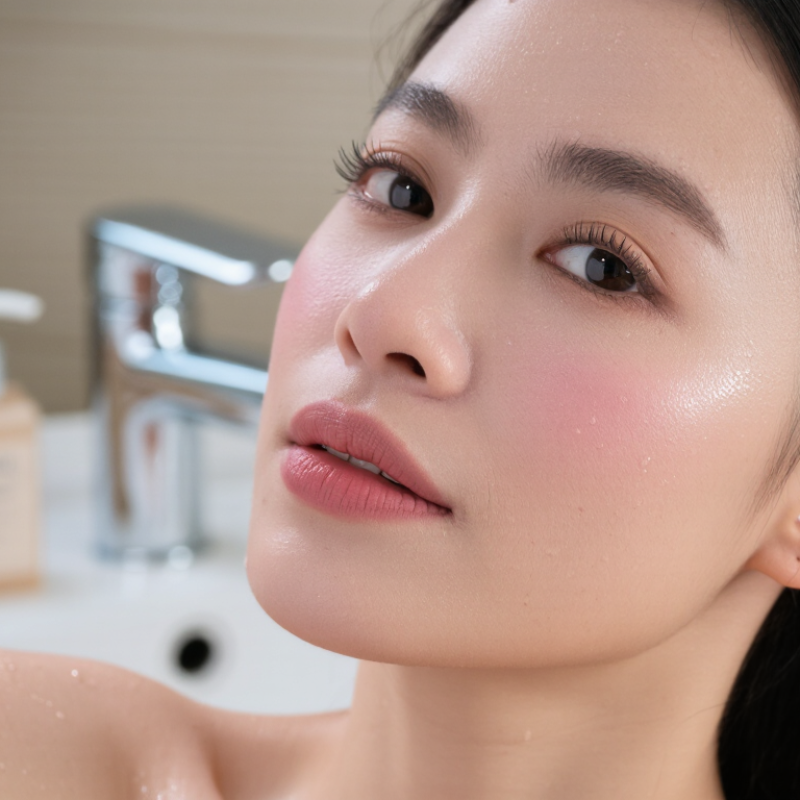
OxyGeneo Facial Technology and How the Treatment Works
OxyGeneo-style facial technology combines gentle exfoliation, oxygenation, and nutrient infusion in one treatment. A trained professional applies a specialized gel before moving a treatment tip across the skin. The gel and capsule create carbon dioxide bubbles through a controlled chemical reaction. These bubbles encourage oxygen-rich blood to move toward the skin’s surface.
The treatment also lifts away dead skin cells and surface debris. Afterward, a selected serum is pressed into the freshly prepared skin. This may help the face feel smoother, softer, and more hydrated. Many people notice a brighter appearance immediately, with little or no downtime. It feels like a fine vibration, not a harsh scraping sensation.
Not every skin type responds the same way. That matters. A consultation should review sensitivity, active irritation, acne, recent procedures, and current skincare products. I would not describe this facial as a cure for wrinkles or acne. Its benefits are usually cosmetic and temporary, so maintenance sessions may be needed. Experienced providers should adjust pressure, product choice, and treatment duration rather than follow one rigid routine.
Top OxyGeneo Facial Types Available in 2026
OxyGeneo facials commonly combine gentle exfoliation, carbon dioxide activation, and topical infusion. In 2026, popular options include brightening, hydrating, detox-focused, and firming treatments. Brightening sessions target dull tone with antioxidant-rich formulas. Hydrating versions use humectants to reduce tightness and surface dryness. Detox treatments may suit congested-looking skin, while firming protocols focus on temporary smoothness and improved skin feel. Results vary.
A qualified skin professional should match the facial to your skin history, sensitivity, and current products. The treatment usually feels warm and mildly stimulating, not painful. Skin may look fresher immediately, although this effect can partly reflect hydration and light exfoliation. Claims about long-term collagen improvement deserve careful interpretation. More sessions do not always mean better skin. Irritation remains possible, especially after strong acids, retinoids, waxing, or sun exposure.
Tips: Ask which infusion is being used and why it suits your concerns. Request a patch test if your skin reacts easily. Avoid aggressive exfoliation for several days before treatment. Use sunscreen afterward, even on cloudy days. Share information about eczema, rosacea, active breakouts, pregnancy, allergies, and prescribed medicines. A treatment that feels luxurious may still be unsuitable. Professional assessment matters more than a fashionable facial menu.
Key Skin Benefits of OxyGeneo Facial Treatments
Oxygen-infusion facial treatments combine gentle exfoliation, nutrient application, and a controlled oxygen-based infusion. Different treatment types target different skin concerns. A hydrating session may use humectant-rich products for tight, flaky skin. A brightening version can support a more even-looking complexion. Some clinics also offer calming treatments for sensitive or redness-prone skin. An experienced professional should select the formula after examining your skin, not simply follow a standard menu.
The main benefit is a smoother surface. Dead skin cells are loosened, so light reflects more evenly across the face. Many people notice softer cheeks and a fresher appearance after one appointment. Fine dehydration lines may look less visible when the skin holds moisture better. The treatment usually feels warm, foamy, and mildly tingly. It should not feel painful.
Results vary. It is not a miracle. Benefits can fade when cleansing, sun protection, and hydration are neglected. Clinical evidence also differs between devices and product formulas, so providers should explain realistic outcomes. Avoid treatment over broken skin, active irritation, or unexplained rashes. A patch test may be sensible for reactive skin. I would also question dramatic claims made without before-and-after records, ingredient details, or qualified supervision.
2026 Top OxyGeneo Facial Types and Benefits
OxyGeneo-style facial treatments generally combine surface exfoliation, topical nutrient infusion, and oxygenation. The chart shows the main skin goals associated with each treatment approach. Scores represent the number of directly related treatment mechanisms, not guaranteed clinical results.
Exfoliation can help remove surface dead skin cells and improve smoothness. Ingredient infusion is commonly used to support hydration or targeted skincare goals, while oxygenation is intended to provide a refreshed, brighter-looking appearance. Individual results vary by skin type, formulation, and treatment technique.
Choosing the Right OxyGeneo Facial for Different Skin Concerns
Choosing the right OxyGeneo facial starts with the skin concern, not the trend. A 2023 ISAPS International Survey recorded over 19 million nonsurgical aesthetic procedures worldwide. That figure shows demand, not guaranteed results. Each facial type should match the skin’s condition, sensitivity, and recovery tolerance.
For dull or rough skin, choose a gentle exfoliating treatment with brightening ingredients. It can help remove surface buildup and improve makeup texture. Dehydrated skin may respond better to an infusion-focused facial containing humectants and barrier-supporting ingredients. If pores look congested, a purifying option may be more suitable, especially around the nose and chin. Sensitive skin needs lower intensity and fewer active ingredients. It may also need a patch test.
A 2024 Global Wellness Institute report valued the personal care and beauty sector at about 1.3 trillion dollars in 2023. Growth is impressive, but professional judgment still matters. Dermatology guidance consistently emphasizes sunscreen and barrier care after exfoliation. Avoid aggressive treatment on visibly irritated skin. Results are often subtle after one session. That is easy to overlook. Clinicians should document redness, dryness, and texture before treatment, then reassess after several days. The choice is not perfectly standardized, because “brightening” formulas differ widely. Consulting a licensed skin professional remains the safest way to adjust intensity and ingredients.
2026 Top Oxygeneo Facial Types and Benefits? - Choosing the Right OxyGeneo Facial for Different Skin Concerns
| Facial Type or Treatment Focus | Primary Skin Concerns | How It Works | Potential Benefits | Best Suited For | Important Considerations |
|---|---|---|---|---|---|
| Exfoliating and Oxygenating Facial | Dullness, rough texture, mild congestion, and uneven surface tone | A gentle exfoliating treatment is combined with a topical gel and a carbon dioxide–releasing process that creates temporary surface oxygenation and enhanced product contact. | Smoother-feeling skin, improved surface radiance, and a refreshed appearance with little to no downtime for many people | Normal, combination, and mildly dull skin that needs a general refresh | Results are usually cosmetic and temporary. Avoid aggressive exfoliation when the skin barrier is irritated or peeling. |
| Hydrating and Replenishing Facial | Dryness, tightness, dehydration lines, and a weakened moisture barrier | Uses gentle exfoliation followed by infusion of hydrating ingredients, commonly including humectants such as hyaluronic acid or glycerin, depending on the formulation. | More comfortable-feeling skin, temporary plumping, and a softer, smoother appearance | Dry, dehydrated, or mature skin without active irritation | A facial cannot replace daily moisturizer, sunscreen, or treatment for chronic dermatitis. Check ingredients if the skin is sensitive. |
| Brightening and Tone-Refining Facial | Dull tone, mild uneven pigmentation, and post-inflammatory dark marks | Combines controlled exfoliation with topical brightening ingredients such as vitamin C derivatives, niacinamide, or other formula-specific actives. | A brighter-looking complexion and smoother light reflection from the skin surface | Skin with mild, uneven-looking tone that is not currently inflamed | Daily broad-spectrum sunscreen is essential. Persistent or changing pigmentation should be assessed by a qualified medical professional. |
| Antioxidant and Revitalizing Facial | Signs of environmental stress, tired-looking skin, and loss of surface radiance | Uses exfoliation and infusion of antioxidant-containing products, which may include vitamin C, vitamin E, green tea, or similar ingredients. | A fresher appearance, temporary glow, and improved skin softness | Normal or combination skin seeking a pre-event or maintenance treatment | Antioxidant facials do not reverse established wrinkles or replace proven long-term skin-care treatments. |
| Detoxifying and Pore-Refining Facial | Excess surface oil, visible pores, mild blackheads, and urban or cosmetic buildup | Uses exfoliation and a cleansing or charcoal-based topical formula, sometimes followed by gentle manual extraction when appropriate. | A cleaner-feeling surface, reduced appearance of oiliness, and temporarily more refined-looking pores | Combination or oily skin with non-inflamed congestion | Pores cannot be permanently eliminated. Avoid vigorous extraction or treatment over inflamed acne, open wounds, or active infection. |
| Firming and Skin-Smoothing Facial | Fine lines, rough texture, and early signs of photoaging | Provides surface exfoliation and infusion of moisturizing or antioxidant products to improve the look and feel of the outer skin layer. | Smoother texture, temporary softening of dehydration lines, and a more polished appearance | Mature skin or skin with mild texture changes that is not highly reactive | It is not equivalent to an injectable, laser, or surgical procedure. Sun protection remains the most important anti-aging step. |
| Sensitive-Skin Gentle Facial | Mild sensitivity, temporary redness, or a fragile-feeling skin barrier | Uses the lowest practical treatment intensity, minimal exfoliation, and fragrance-free, soothing or hydrating products selected after a skin assessment. | Gentle hydration and improved comfort without unnecessarily stressing the skin barrier | Sensitive skin that is stable and free from active flare-ups | Patch testing and professional screening are advisable. Postpone treatment during eczema, rosacea, sunburn, cold sores, or active dermatitis flares. |
Treatment Process, Safety Factors, and Expected Results
An oxygenating facial usually combines gentle exfoliation, a mineral-rich gel, and a massage-like treatment head. Some clinics offer versions for hydration, brightening, or congested skin. The exact steps vary, so ask what each formula contains before treatment. A session often begins with cleansing, followed by controlled exfoliation for five to ten minutes. The provider then applies a prepared gel and moves the device across the face. You may notice mild warmth, fizzing, or tingling. The skin is finished with moisturizer and broad-spectrum sunscreen.
Tips: Choose a licensed, experienced provider. Ask about training, sanitation, and possible ingredient sensitivities. Avoid treatment over open wounds, active infections, or severe irritation. People with rosacea, eczema, pregnancy-related sensitivity, or recent laser treatment should seek medical advice first. A patch test can reduce surprises, though it cannot predict every reaction. Stop if you feel burning rather than mild tingling.
Most people leave with softer skin and a temporary, dewy appearance. Fine dryness may look reduced for several days. Results depend on hydration, sleep, skincare habits, and the underlying condition. This treatment is not expected to erase deep scars, severe acne, or pronounced wrinkles. Redness, tightness, or small bumps can occur briefly. In my experience, expectations matter more than dramatic photographs. One overlooked detail is aftercare: scrubbing, heat exposure, or strong acids too soon may increase irritation. A qualified provider should review your skin history and explain when follow-up care is appropriate.
Related Posts
-
How to Get the Best Oxygeneo Facial for Your Skin Type?
-
Why Choose Oxygeneo Machine for Your Skincare Needs?
-
How to Use a Geneo Facial Machine for Glowing Skin?
-

7 Best Tripolar RF Machines for Global Buyers?
-
How to Achieve Smooth Skin with Radiofrequency Facial Treatments?
-
10 Best Radiofrequency Facial Treatments for Youthful Skin?