Need Help?

Top 10 Tripollar Stop VX Gold Alternatives for Global Buyers?

Choosing a home beauty device can feel like comparing identical boxes under bright online lighting. The tripollar stop vx gold remains popular for its radiofrequency technology, ergonomic design, and at-home convenience. Yet global buyers often need more than a familiar name. They may face different prices, warranty terms, voltage requirements, and regional certifications.

Dr. Michael H. Gold, a respected dermatologist and aesthetic medicine educator, offers a practical principle: “Technology should support good skin care, not replace it.” That reminder matters when reviewing the top alternatives. A lower price does not automatically mean better value. A stronger sensation does not guarantee stronger results. Real performance depends on energy delivery, treatment consistency, skin condition, and safe operating guidance.

This guide examines ten potential alternatives for international shoppers. It considers device technology, usability, treatment areas, customer support, and evidence quality. It also looks at details people often miss, such as charging adapters, replacement gels, return policies, and language-specific instructions. Some products may appear impressive beside a bathroom mirror, yet feel awkward after five minutes of use. Others may offer useful features but lack transparent documentation. That is worth questioning. No shortlist can promise identical results, because skin responds differently from person to person. Readers should check local requirements, follow manufacturer instructions, and seek professional advice when treating sensitive or medically affected skin. The best alternative is not simply the cheapest or newest model. It is the device that fits your goals, routine, budget, and willingness to use it consistently.
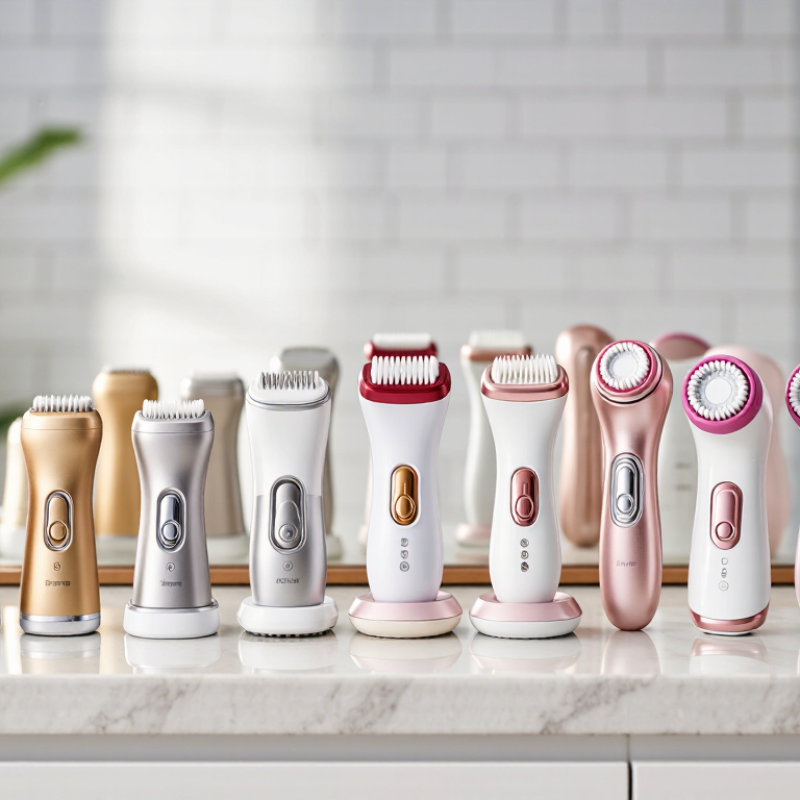
Top 10 Tripollar Stop VX Gold Alternatives for Global Buyers?

Tripollar Stop VX Gold: Core Features and Buyer Considerations

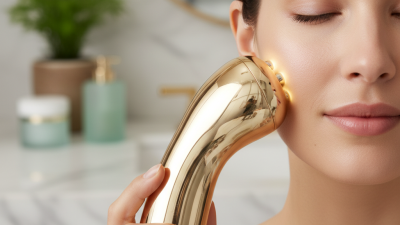
When comparing at-home facial radiofrequency devices, focus on function rather than appearance. A reliable model should provide controlled heat, stable skin contact, and clear treatment guidance. Temperature feedback matters because uneven warmth can reduce comfort and consistency. Some devices include vibration or red-light functions, but these features should not distract from basic performance.

Check the treatment area, session length, charging method, and included accessories. Global buyers should confirm voltage compatibility, plug type, warranty coverage, and local repair support. A lower price may become expensive if replacement parts are unavailable.

Also review return policies carefully. Product descriptions can sound convincing, yet independent evidence may be limited. I would not treat dramatic lifting claims as guaranteed results.

Tips: Clean, dry skin usually improves device contact. Use the recommended conductive gel, if required. Start with the lowest comfortable setting and monitor redness afterward. Avoid treating broken, irritated, or recently exfoliated skin. Buyers with implants, pregnancy, or medical conditions should seek professional advice before use. Keep realistic expectations: gradual texture changes are more believable than instant transformation. Photographing the same area under identical lighting can reveal progress, although even this method is imperfect. Consistent use matters more than chasing the most expensive specification.

How to Compare Professional and At-Home Skin-Tightening Devices

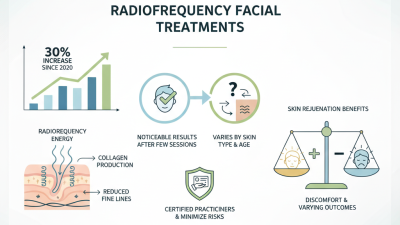
Comparing professional and at-home skin-tightening devices requires more than reading before-and-after claims. Professional systems usually deliver stronger, controlled energy under trained supervision. Home devices typically use lower intensity, simpler settings, and repeated maintenance sessions. The difference is practical: a clinic treatment may feel warmer and finish faster, while home use demands patience and consistency. Results vary.

Market data gives useful context. Fortune Business Insights valued the global aesthetic medicine market at about 18.6 billion dollars in 2023, projecting nearly 38.9 billion dollars by 2030. The American Society for Dermatologic Surgery’s 2023 consumer survey also reported that 70% of respondents felt bothered by signs of facial aging. These figures show demand, not guaranteed outcomes. I would not treat market growth as clinical proof.

Compare each device by energy type, treatment depth, session frequency, safety controls, warranty, and published evidence. Check whether the intended use matches your skin concern. Professional options should include consultation, cooling or temperature monitoring, and clear aftercare instructions. Home options should provide measurable settings, realistic timelines, and warnings about sensitive skin or implanted medical devices. A glossy result can mislead. Sometimes, the simplest device is easier to use correctly. My own comparison would also include total cost over twelve months, because the cheapest purchase may require frequent replacement or accessories.

Top Alternatives to Tripollar Stop VX Gold by Technology and Use

For global buyers, the strongest alternatives differ by technology and intended use. Microcurrent devices suit users seeking a temporary lifted appearance with gentle daily routines. Radio-frequency tools focus on controlled warmth and may support firmer-looking skin over time. LED masks offer red or near-infrared light for a calm, even-looking complexion. EMS devices create mild muscle stimulation, but sensitive users may find the sensation uncomfortable. Ultrasound tools can improve product application, although results often depend on the skincare formula. Cooling devices may reduce the appearance of puffiness before events. IPL systems target hair reduction, but they require strict skin-tone and sun-exposure checks. Galvanic tools help selected products spread across the skin. Massage rollers provide simple pressure and relaxation. Combination devices save space, but more functions can mean weaker performance in each mode.

In practical comparisons, comfort, treatment time, and safety controls matter more than impressive specifications. Look for adjustable intensity, automatic shutoff, clear contraindications, and regional electrical certification. A device with a lower output may be more realistic for regular use. That matters. Buyers should check whether the manual explains eye protection, pregnancy precautions, implanted-device restrictions, and post-treatment irritation. Independent testing is useful, yet many beauty claims rely on small studies or short observation periods. I would not treat dramatic before-and-after photos as strong evidence. Skin type, routine, and consistency can change the outcome. The most suitable choice is often the one a user can operate correctly, clean easily, and tolerate without forcing the schedule.

Top 10 Tripollar Stop VX Gold Alternatives for Global Buyers? - Top Alternatives to Tripollar Stop VX Gold by Technology and Use

Technology-based comparison of representative at-home facial-device categories for global buyers. Specifications are typical market ranges and may vary by device configuration.

Rank Alternative Profile Primary Technology Typical Technical Range Main Use Typical Session Best Suited For Important Limitations Global Buyer Checkpoints
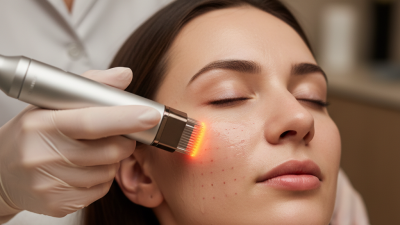
1 Home RF Facial Device Radio Frequency Commonly around 0.5–2 MHz; surface-heating systems are designed for controlled cosmetic skin warming. Temporary improvement in the appearance of fine lines, skin laxity and facial contour. Approximately 5–15 minutes, usually 2–3 times weekly. Users prioritizing firming and collagen-support routines. Not suitable over implanted electronic devices; excessive heat may aggravate sensitive or inflamed skin. Confirm voltage, plug type, skin-contact sensor, thermal control and local electrical certification.
2 RF and Red-Light Combination Device RF + LED RF commonly in the 0.5–2 MHz range; red LED commonly near red-light wavelengths of approximately red 630–660 nm. Combines cosmetic warming with red-light skincare support. Approximately 8–15 minutes per session, depending on the operating modes. Users wanting one device for firmness and overall skin appearance. More complex controls; visible results depend on consistent use and correct skin contact. Check whether RF and LED operate simultaneously, separately or at user-selectable intensity levels.
3 Red and Near-Infrared LED Mask Photobiomodulation Red light commonly around 630–660 nm; near-infrared light commonly around 810–850 nm. Supports the appearance of smoother, brighter and more even-looking skin. Approximately 10–20 minutes, commonly 3–5 times weekly. Users seeking a non-heating, hands-free routine. Does not provide RF thermal treatment; eye protection may be required depending on the design. Review irradiance, treatment distance, wavelength disclosure, timer function and international charger compatibility.
4 Microcurrent Facial Toning Device Low-Level Microcurrent Typically uses low electrical currents in the microampere range, often below 1 mA. Temporary facial-toning appearance and support for a sculpted-looking contour. Approximately 5–10 minutes, commonly several times per week. Users interested in gentle facial stimulation with conductive gel. Requires a suitable conductive medium; should not be used with implanted electronic devices. Check current range, polarity, electrode material, gel requirements, battery type and charging standard.
5 EMS Facial Stimulation Device Electrical Muscle Stimulation Pulse-based stimulation; consumer facial systems commonly use adjustable frequencies, often tens of hertz. Temporary muscle-stimulation and facial-contouring appearance. Approximately 5–15 minutes per session. Users who prefer active facial-muscle stimulation rather than heat or light. May feel stronger than microcurrent; avoid use over the front of the neck, eyes or implanted electronic devices. Verify waveform, intensity steps, electrode placement instructions and safety warnings for each destination market.
6 Ultrasound Skin-Care Device Ultrasonic Energy Cosmetic facial systems commonly use approximately 1 MHz ultrasound, although specifications vary. Massage-like skincare, product-spreading support and temporary skin-smoothing appearance. Approximately 5–10 minutes per treatment area. Users seeking a non-RF alternative for routine facial care. Requires a suitable water-based medium; avoid use over open wounds or active skin inflammation. Check operating frequency, contact-safety controls, waterproof rating and recommended conductive products.
7 Blue-Light Acne-Care Device Blue LED Blue light is commonly centered near 415 nm, with an operating band that varies by device. Supports the appearance of clearer skin for blemish-prone users. Approximately 5–15 minutes, according to the device protocol. Users whose main concern is occasional blemish-prone skin rather than laxity. Not a direct substitute for RF firming; photosensitivity precautions may apply. Check optical output, eye-safety design, treatment-area coverage and contraindications for photosensitizing medicines.
8 IPL Hair-Reduction Device Intense Pulsed Light Broad-spectrum flashes commonly cover approximately 500–1,200 nm, depending on filters and model. Long-term reduction of unwanted hair on suitable skin and hair combinations. Approximately 5–20 minutes per area during an initial course. Users whose priority is facial or body hair reduction rather than skin tightening. Effectiveness depends strongly on skin tone and hair pigment; not intended for every facial area or skin type. Confirm skin-tone sensor, pulse window, flash count, regional approvals and destination-market restrictions.
9 Galvanic Iontophoresis Facial Device Low-Voltage Direct Current Uses low-level direct current with positive and negative polarity settings; exact output varies by device. Supports cosmetic cleansing routines and application of compatible water-based products. Approximately 3–10 minutes per mode. Users focused on product application, cleansing and a simple electrical routine. Requires compatible formulations; avoid use with implanted electronic devices or damaged skin. Check polarity controls, current limits, electrode contact, included accessories and charger requirements.
10 Cooling and Massage Facial Device Thermoelectric Cooling + Vibration Cooling surfaces commonly operate below ambient temperature; exact temperature depends on design and environment. Temporary reduction in the appearance of puffiness and refreshed-looking skin. Approximately 3–10 minutes per session. Users prioritizing comfort, cooling and short daily routines. Does not directly deliver RF, LED or electrical muscle stimulation; effects are generally temporary. Review minimum operating temperature, condensation control, battery capacity, waterproofing and travel usability.
Buyer note: Home-use facial devices are not interchangeable across technologies. Review the intended use, contraindications, treatment protocol, regulatory status, warranty coverage, plug configuration and after-sales support in the destination country before purchase.

Safety, Compatibility, and Regional Requirements for Global Buyers

Choosing a home-use energy-based facial device requires more than comparing price and appearance. Global buyers should check voltage, plug design, treatment wavelength, heat output, and skin-contact materials. A device marked “universal” may still need a transformer, not only a travel adapter. Compatibility can fail quietly.

The European Commission’s Safety Gate 2023 report recorded 3,412 product alerts across Europe. Electrical appliances remained a recurring risk category. That figure supports a practical rule: verify the original test report, not just a printed compliance logo. Look for documented testing against IEC 60335 or IEC 60601 standards, when applicable. Requirements vary by product classification and market. In the United States, registration or listing does not automatically mean regulatory clearance. In the European Union, conformity documentation and traceable technical files matter.

Safety settings deserve close attention. Independent testing should cover overheating, electrical leakage, eye exposure, and accidental prolonged contact. Check whether replacement heads are available in your region. Also confirm warranty handling, software language, and local after-sales support. A device may operate correctly at 220–240 volts but fail on a 100–120-volt circuit. I have seen buyers overlook frequency differences, especially when importing from another region. That mistake is avoidable, but product pages often make it unclear. The World Health Organization’s Global Medical Device Nomenclature guidance also highlights the importance of consistent device identification, which helps importers compare specifications more reliably.

Pricing, Warranty, and After-Sales Support Across International Markets

Top 10 Tripollar Stop VX Gold Alternatives for Global Buyers?

For international buyers, the lowest listed price can become expensive after shipping, tax, and returns. Baymard Institute’s checkout research reports that 48% of shoppers abandon carts because extra costs are too high. Compare the delivered price, not the headline price. A device priced at $299 may require a different plug, local adapter, and $30 return shipping. Check voltage compatibility before payment.

Warranty terms differ sharply by market. In the European Union, consumers generally receive a minimum two-year legal guarantee. The United States has no single federal warranty period for every product. Australia relies heavily on consumer guarantees, which may apply beyond a written warranty period. Read the exact coverage for batteries, electrodes, chargers, and cosmetic wear. A 24-month warranty sounds strong, but international buyers should confirm who pays shipping.

After-sales support is often the real separator among home skincare alternatives. Look for a local service address, multilingual instructions, and a promised response time. ISO 10002 guidance supports clear complaint-handling procedures, but not every seller follows it well. Ask whether replacement parts remain available after purchase. Small details matter. I would value a reachable support team over a slightly cheaper price. Still, response-time promises can be vague, and that deserves scrutiny. Keep the invoice, serial number, and unboxing photos; they can prevent avoidable disputes.